










Tunisia collection
Tunisia Necklace – Wear Your Roots by the Mediterranean
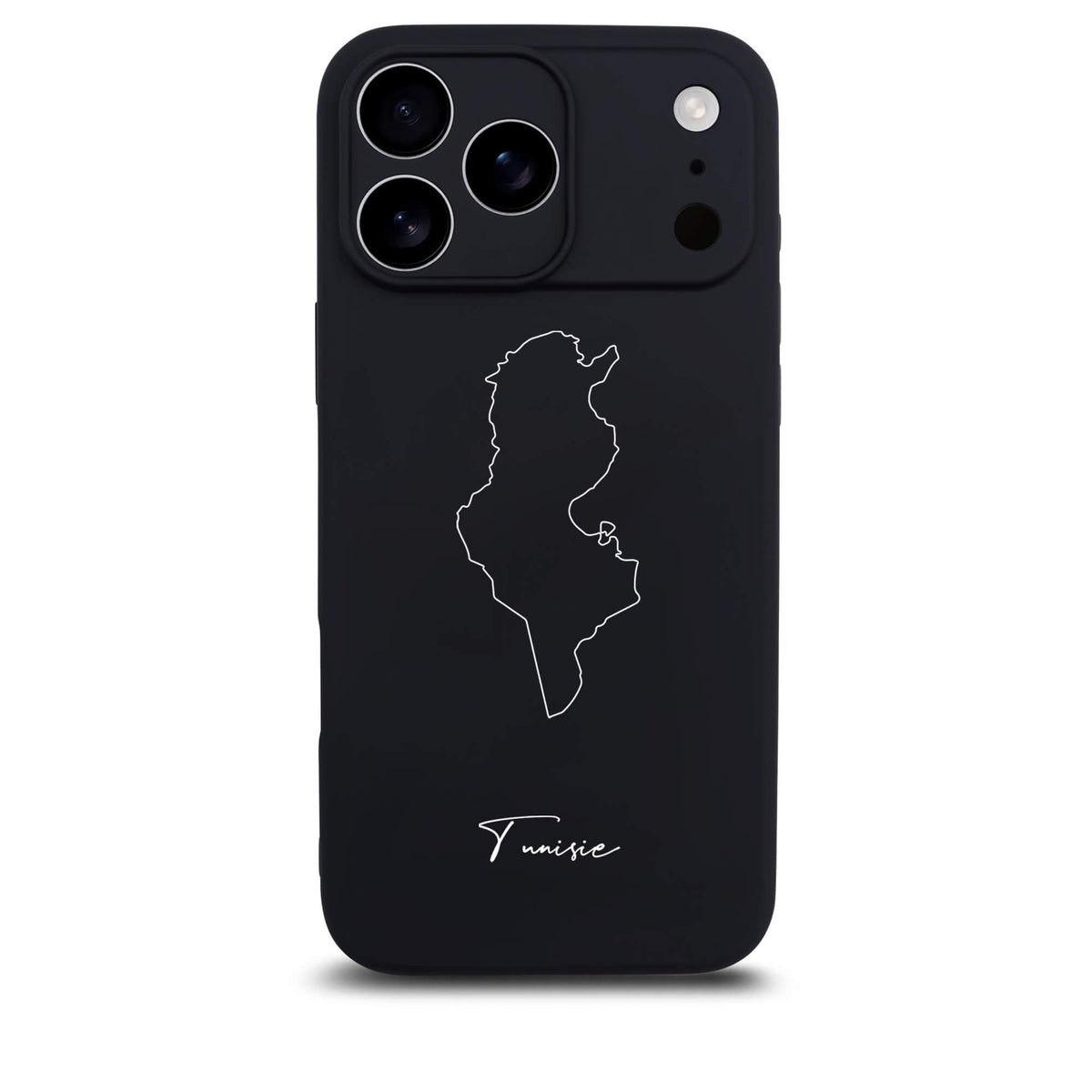
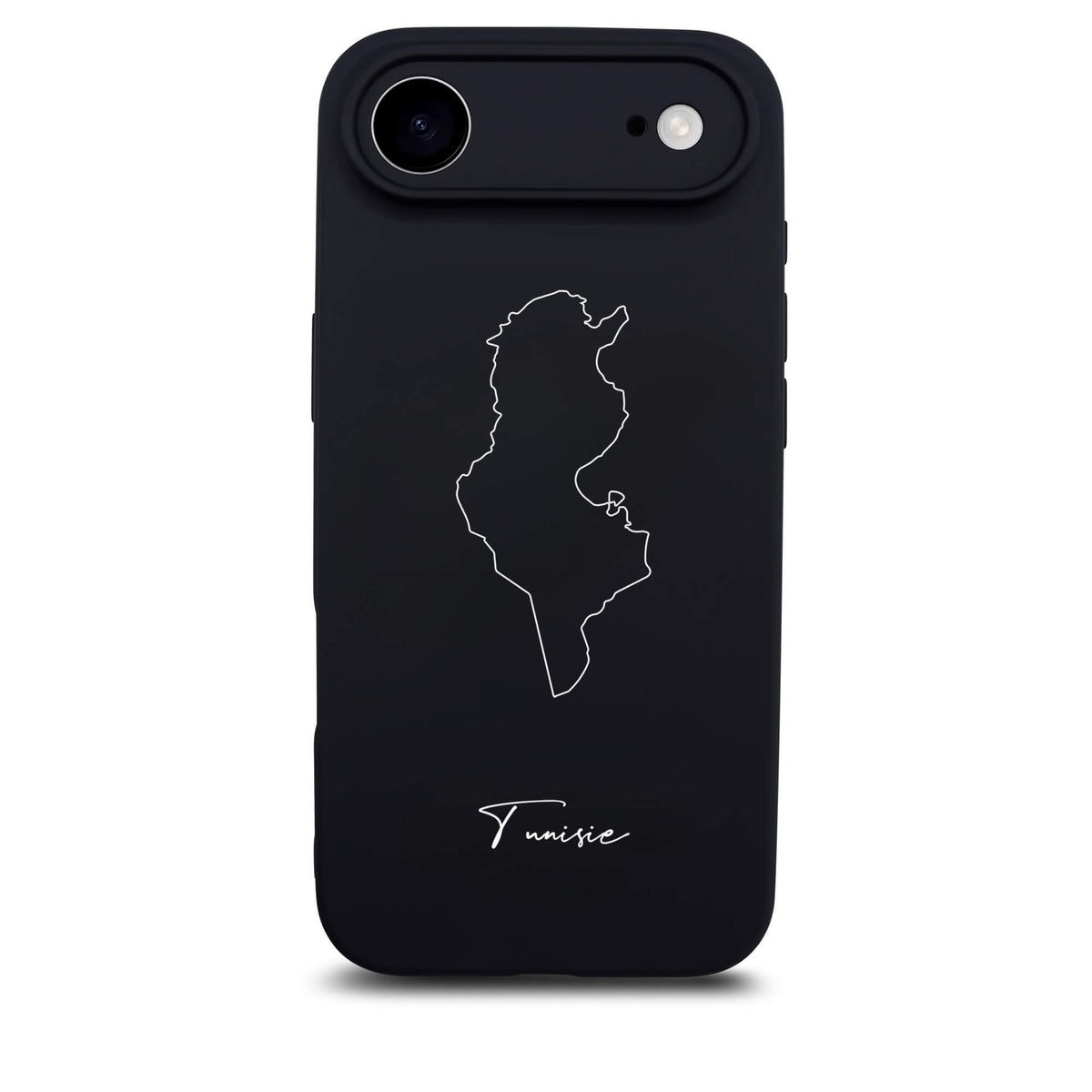
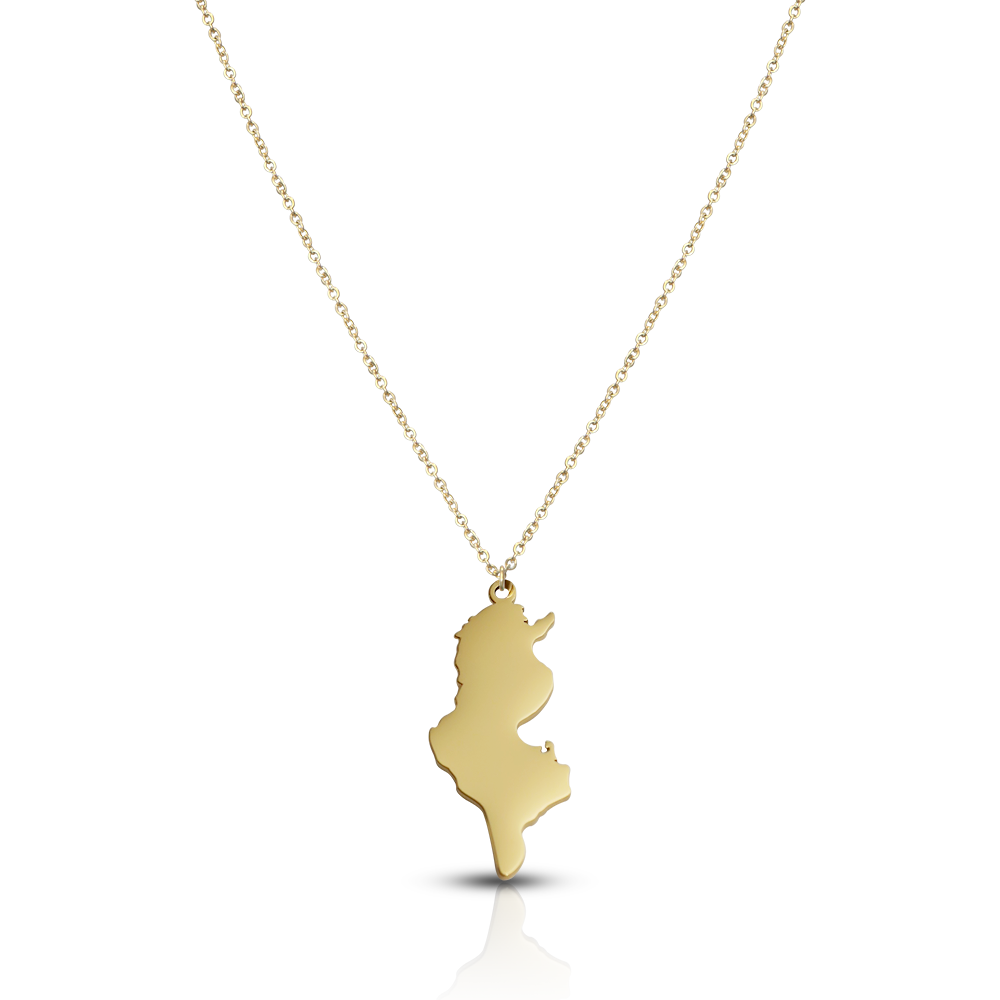
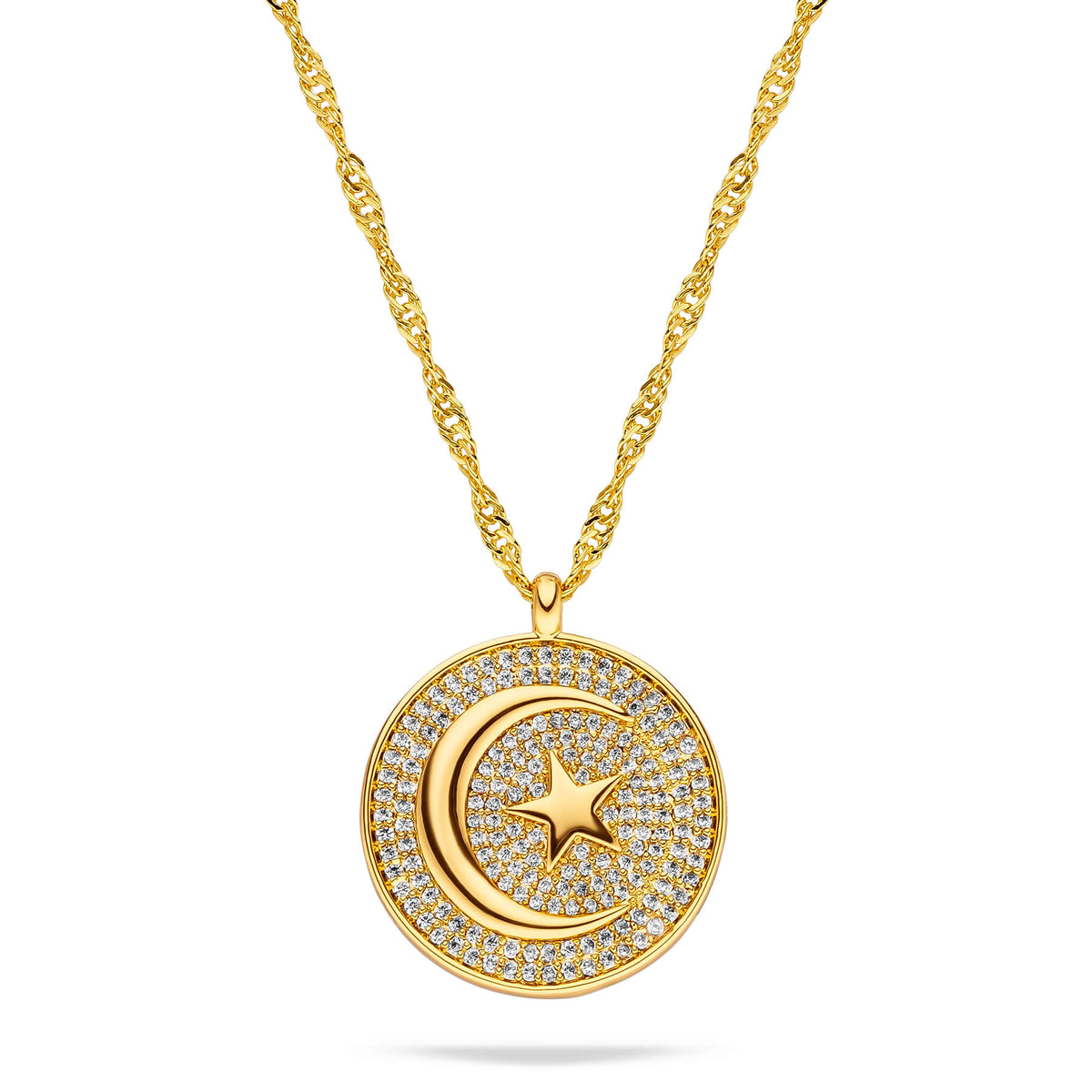
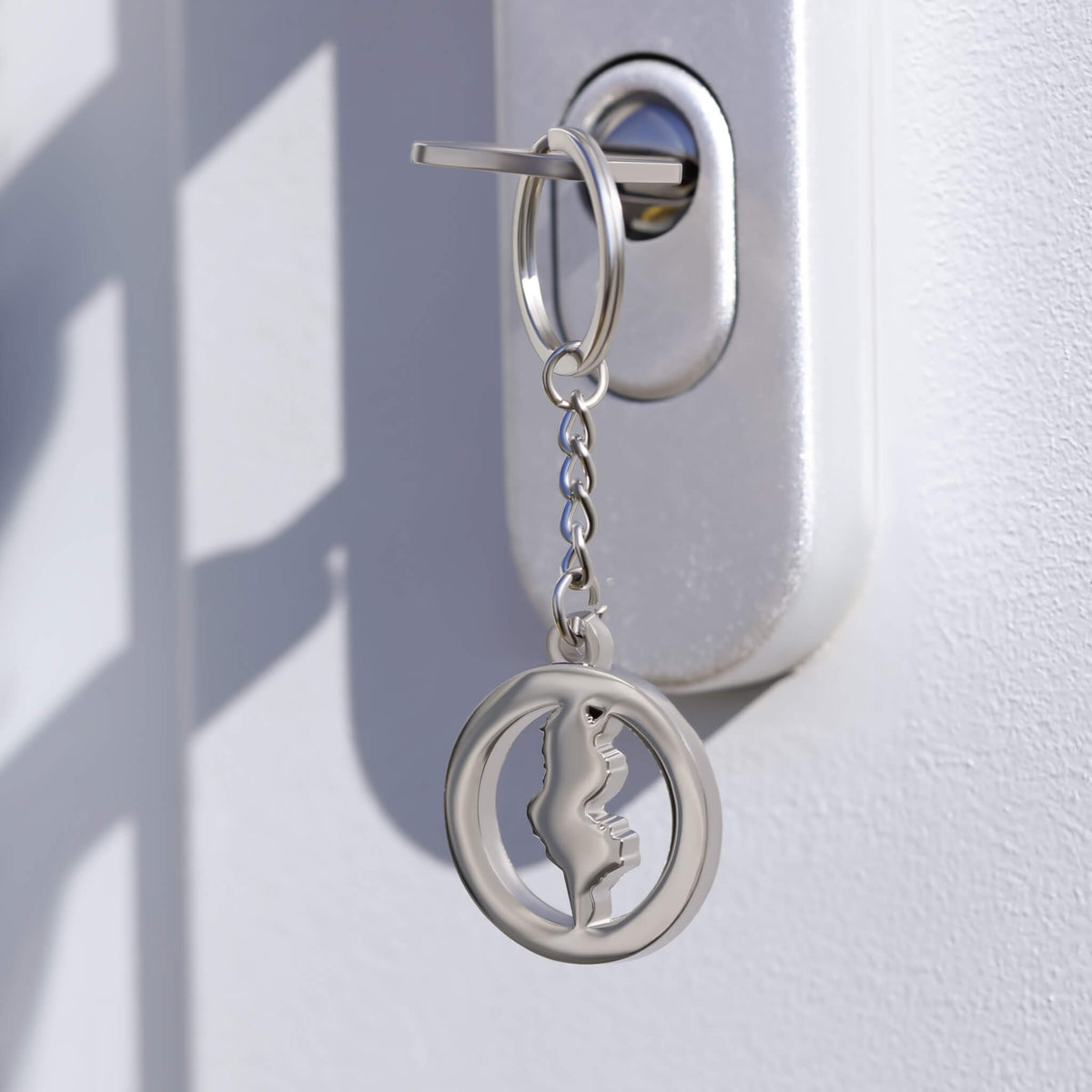
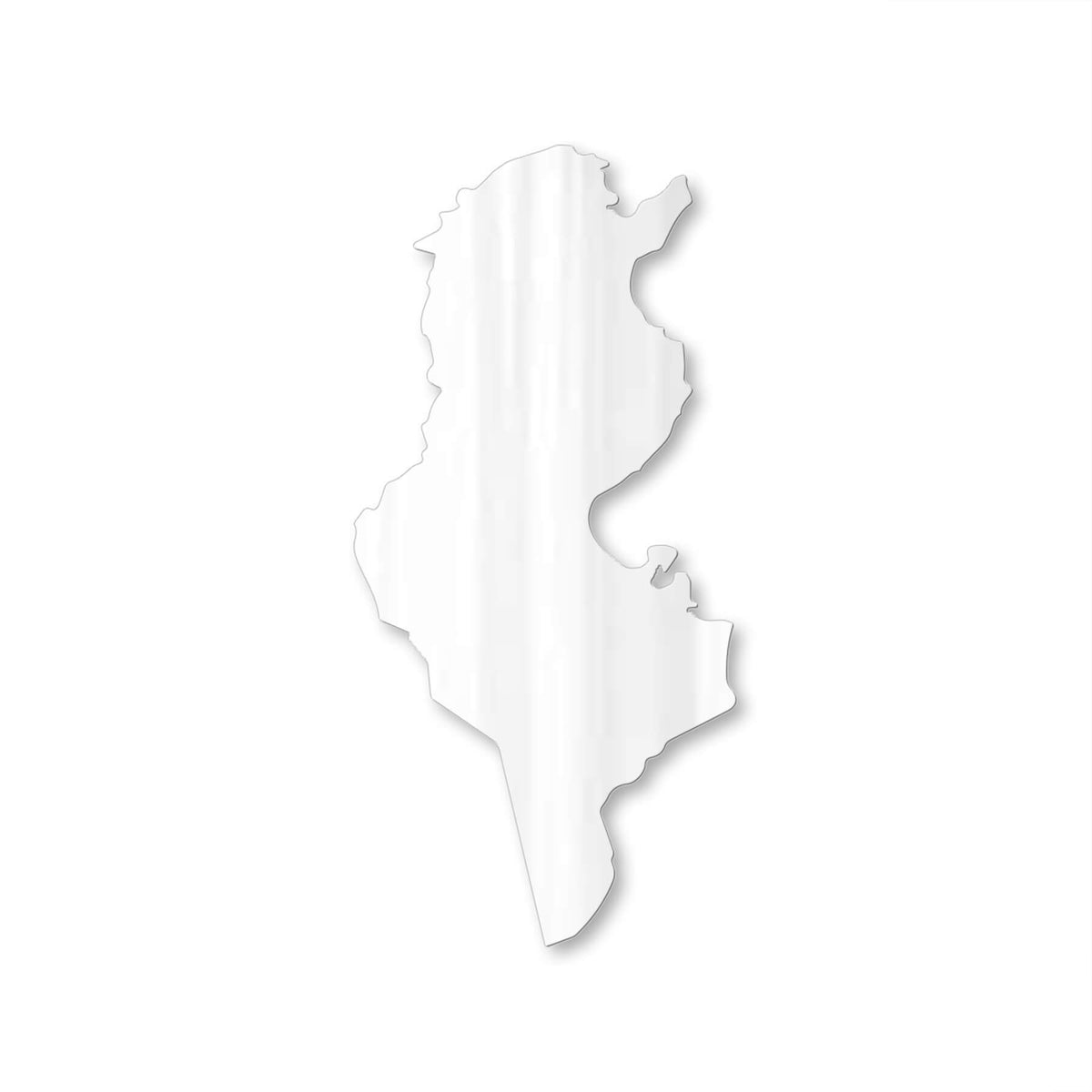
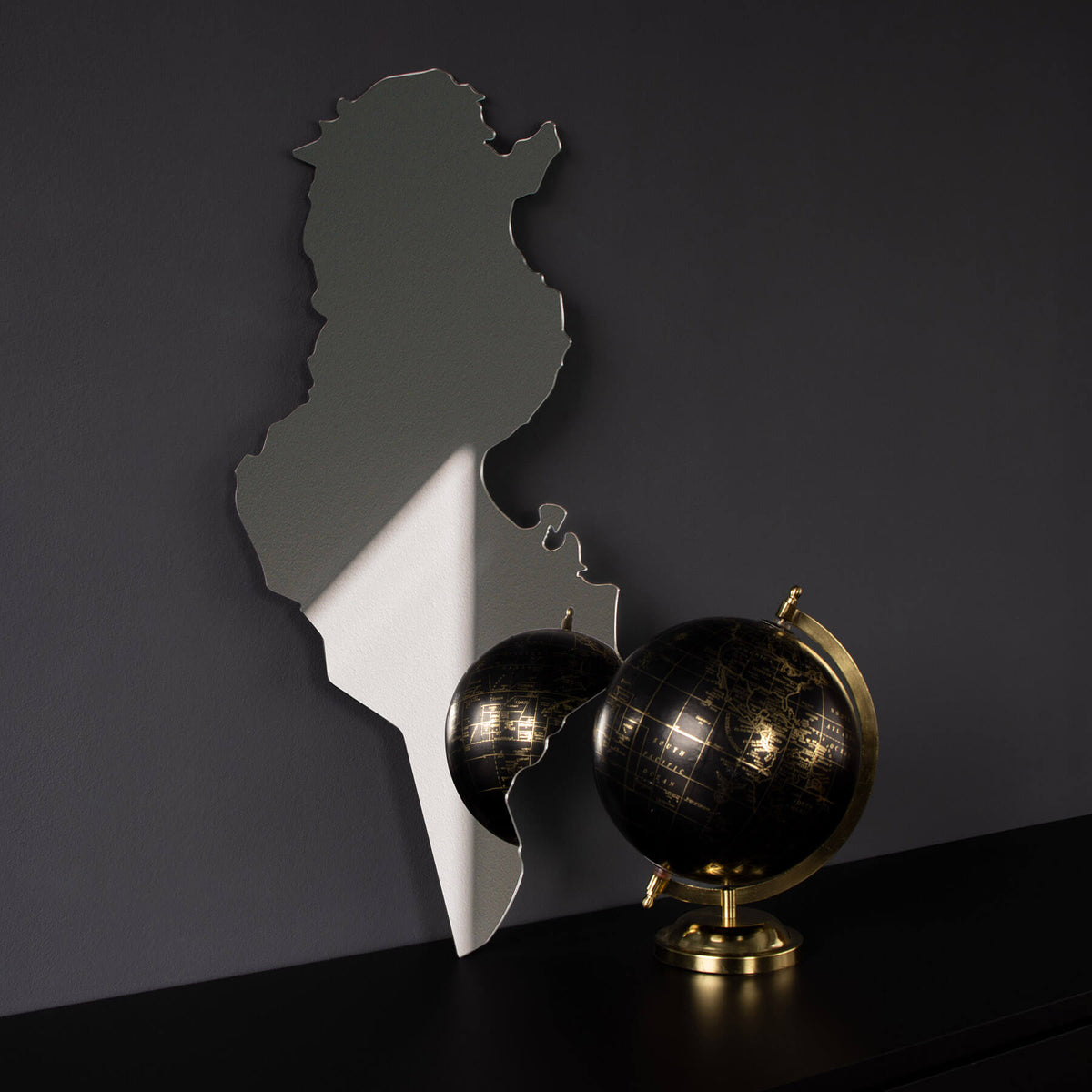
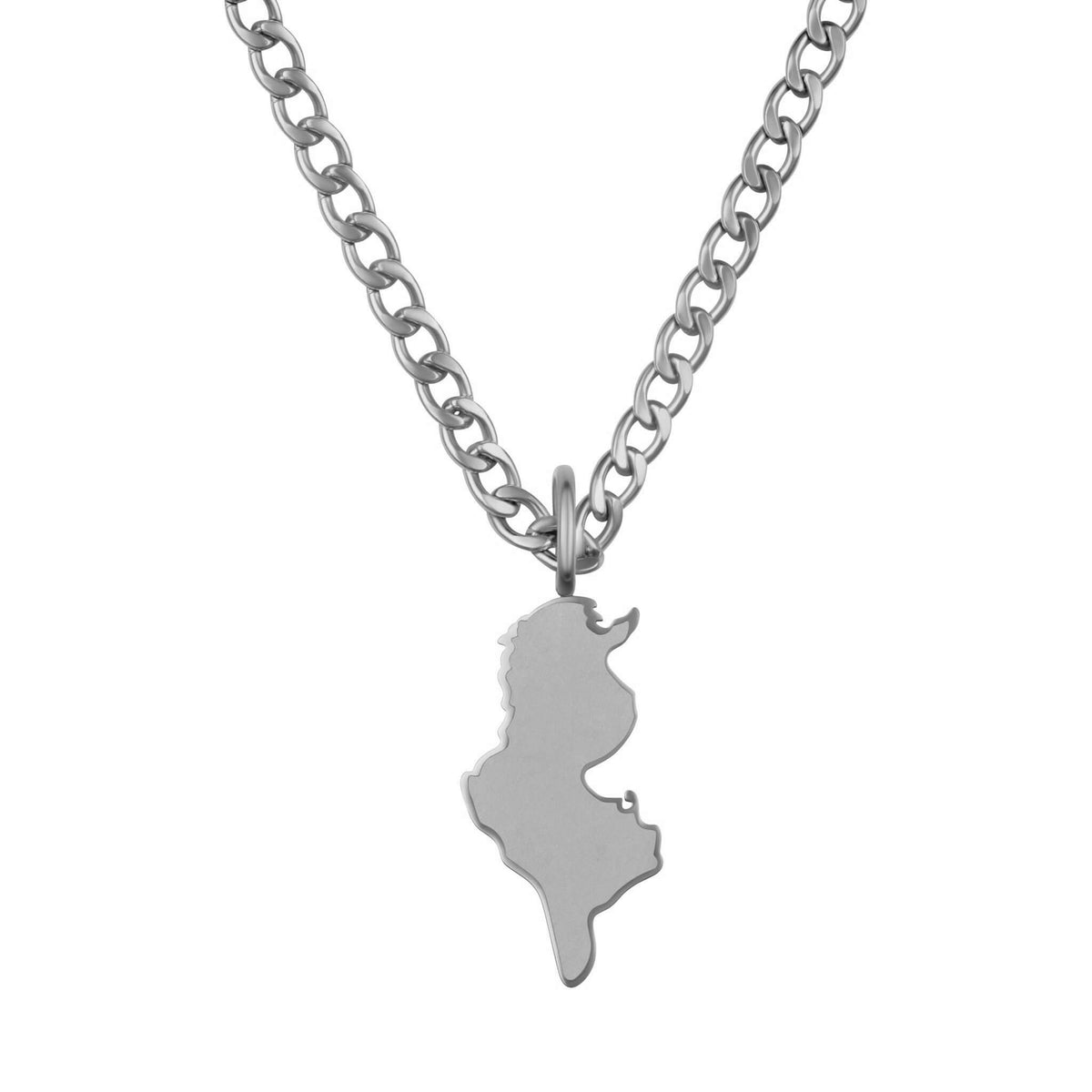
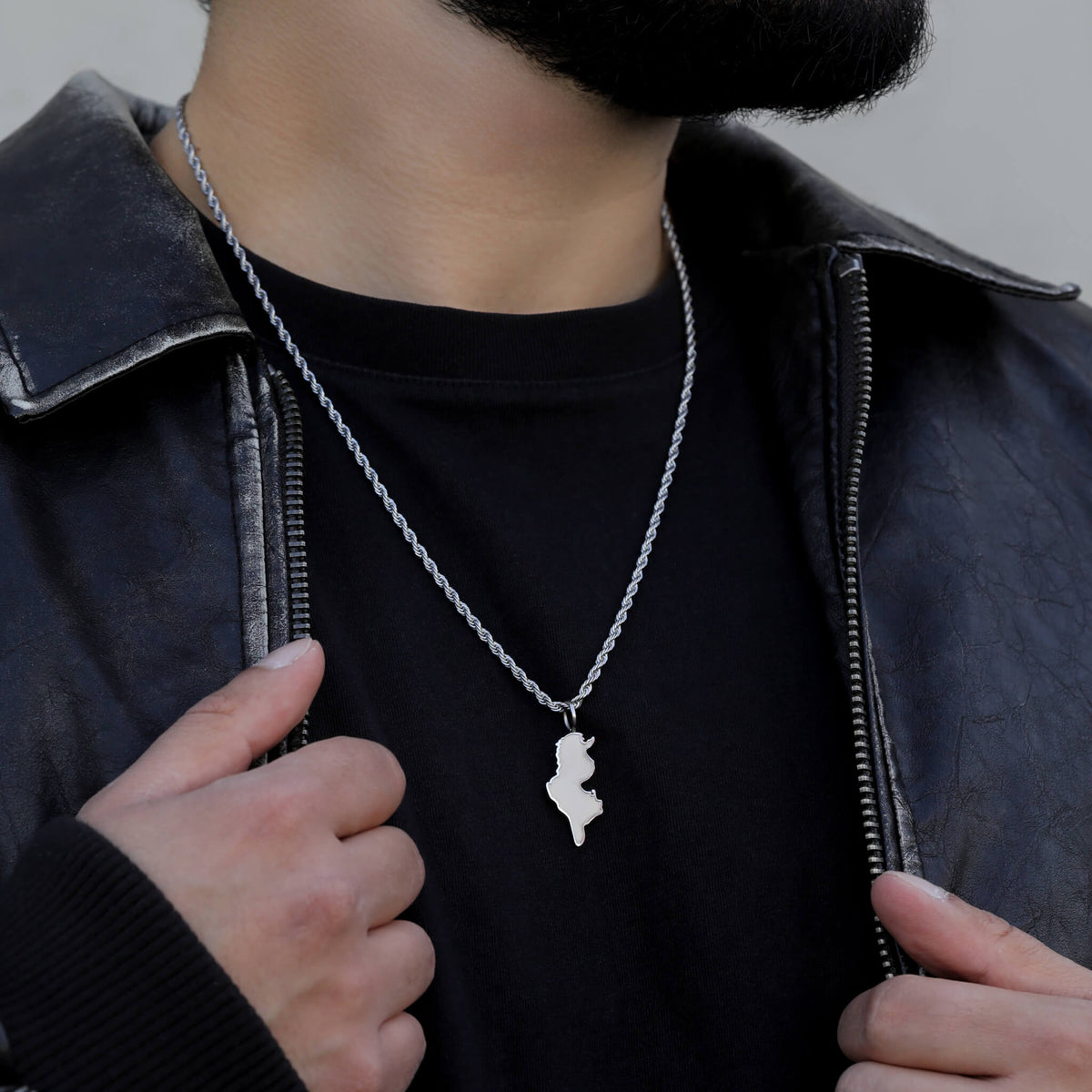
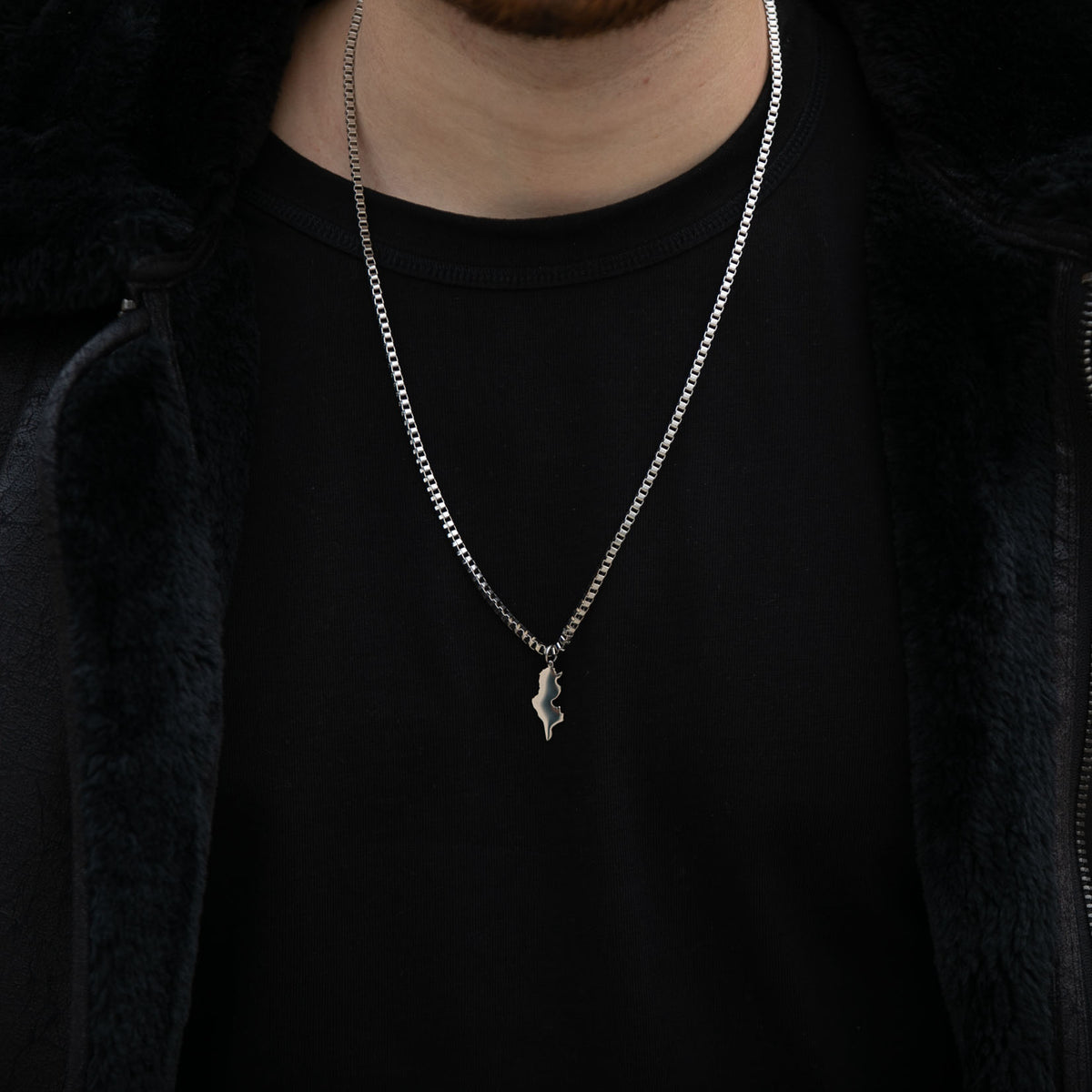
A Tunisia necklace is more than jewellery – it's a declaration of who you are. The crescent and star, the map, the red and white: with a necklace from d'origine, you carry your Tunisian roots right where the world can see them. Our Tunisia Collection includes necklaces, a bracelet, keychain, phone case and mirror – crafted from premium materials and backed by a 365-day guarantee. Whether you grew up in Tunis, Sfax, Paris or Berlin: this necklace connects you to your heritage. At d'origine, people from more than 40 countries show where they come from. The Tunisia Collection is one of the most popular in our range.
What Do the Crescent and Star on the Tunisian Flag Mean?
The Tunisian flag features a white crescent and five-pointed star inside a white circle on a red field. It is one of the oldest national flags in the world, first introduced in 1827 under Bey Hussein II – long before independence. The crescent and star are symbols of Islam, and the red colour references the blood of martyrs in the struggle against Ottoman rule. The white circle represents the sun and peace. Tunisia looks back on one of the richest histories in the Mediterranean. Carthage – founded in the 9th century BC by Phoenician settlers – was one of the most powerful cities in the ancient world and Rome's greatest rival. The Carthaginian general Hannibal Barca (247–183 BC) crossed the Alps with his elephants and is regarded as one of the greatest military strategists in history. The archaeological site of Carthage is a UNESCO World Heritage Site. In 2011, the Jasmine Revolution began in Tunisia – making the country the pioneer of democratic change in the Arab world.
Tunisian Jewellery: Gold, Khamsa and Souk Tradition
Tunisia has a jewellery tradition uniting Phoenician, Roman, Arab and Ottoman influences. The Souk des Orfèvres in the Medina of Tunis has been the centre of goldsmithing for centuries – a labyrinth of narrow lanes where goldsmiths pass down their craft across generations. Tunisian gold jewellery is characterised by its abundance and intricate detail: wide bangles, filigree necklaces, coin chains and earrings are all part of the traditional bridal ensemble. The Khamsa – the Hand of Fatima – is Tunisia's omnipresent protective symbol: as a pendant, on front doors and on cars, it shields against the evil eye. The Khomsa (the Tunisian variant) is often depicted with an eye at its centre. At Tunisian weddings, gold is essential: the bride is adorned with elaborate gold jewellery during the "Henna Night" and at the wedding itself – a tradition passed down for generations. In the diaspora, jewellery with Tunisian motifs serves a special purpose: the map or the crescent around the neck makes belonging visible.
Material and Quality of Our Tunisia Necklaces
Our Tunisia Collection offers two material lines. The Tunisia necklace for men (56 cm in gold, 65 cm in silver, pendant 2.5 cm) and the Tunisia necklace for women (40 cm + 15 cm) are made from 316L stainless steel – rust-proof, waterproof and scratch-resistant. The Tunisia crest necklace for women (40 cm + 5 cm, pendant 2 cm diameter, hand-set with over 170 stones) is crafted from 18K gold-plated brass. All variants are waterproof and allergy-friendly. All products come with a 365-day guarantee. Each necklace is delivered in a premium jewellery box – a perfect gift for Eid, weddings or Independence Day on 20 March.
Tunisia Necklace in Silver or Gold – Which One Suits You?
Gold carries deep significance in Tunisian culture – at weddings and family celebrations, gold jewellery has been the most meaningful gift for generations. The gold versions of our Tunisia necklaces honour that tradition: the stainless steel necklaces feature 18K gold plating for a warm glow, while the brass crest necklace offers an especially rich gold tone. The silver versions provide a cooler, more modern look. Alongside the necklaces, we also offer the Tunisia map bracelet in stainless steel (16 cm + 3 cm), the Tunisia keychain, the Tunisia mirror in acrylic glass and the Tunisia phone case.
Buying a Tunisia Necklace – What to Look For
If you're looking to buy a Tunisia necklace, pay attention to three things: material, craftsmanship and chain length. You can choose between 316L stainless steel (more durable, scratch-resistant) and brass with 18K gold plating (warmer gold tone, the women's crest version features 170 hand-set stones). For craftsmanship, check the pendant: whether map or crest – the details should be cleanly worked and the relief clearly defined. For chain length: men's 56 to 65 cm, women's 40 cm plus extension. At d'origine, you order directly from our shop – no middlemen. We ship worldwide: free shipping within Germany, free across Europe on orders over €25, and affordable international shipping to the US, Canada, UK, Australia and beyond.
How Many Tunisians Live Abroad?
The Tunisian diaspora is estimated at 1.5 to 2 million people worldwide – compared to a home population of roughly 12 million. France hosts by far the largest Tunisian community at approximately 700,000 to 900,000 – the bond between the two countries is historically deep, and French remains Tunisia's primary second language. Italy is home to around 200,000 Tunisians. In Germany, an estimated 40,000 to 50,000 Tunisians and their descendants have settled. In the United States and Canada, around 50,000 Tunisians reside – with notable communities in the Montreal metropolitan area (where French serves as a bridge) and in New York. Libya and Belgium also host significant populations. The Tunisian diaspora maintains a strong connection to home: regular summer visits, family celebrations and the passing down of Tunisian cuisine are integral parts of life abroad. A Tunisia necklace is, for many, a daily sign of that connection – quiet, but unmistakable. At d'origine, we understand this feeling, because that's exactly why we founded the brand: jewellery that makes heritage visible.