








Iran collection
Iran Necklace – Wear Your Persian Heritage With Pride
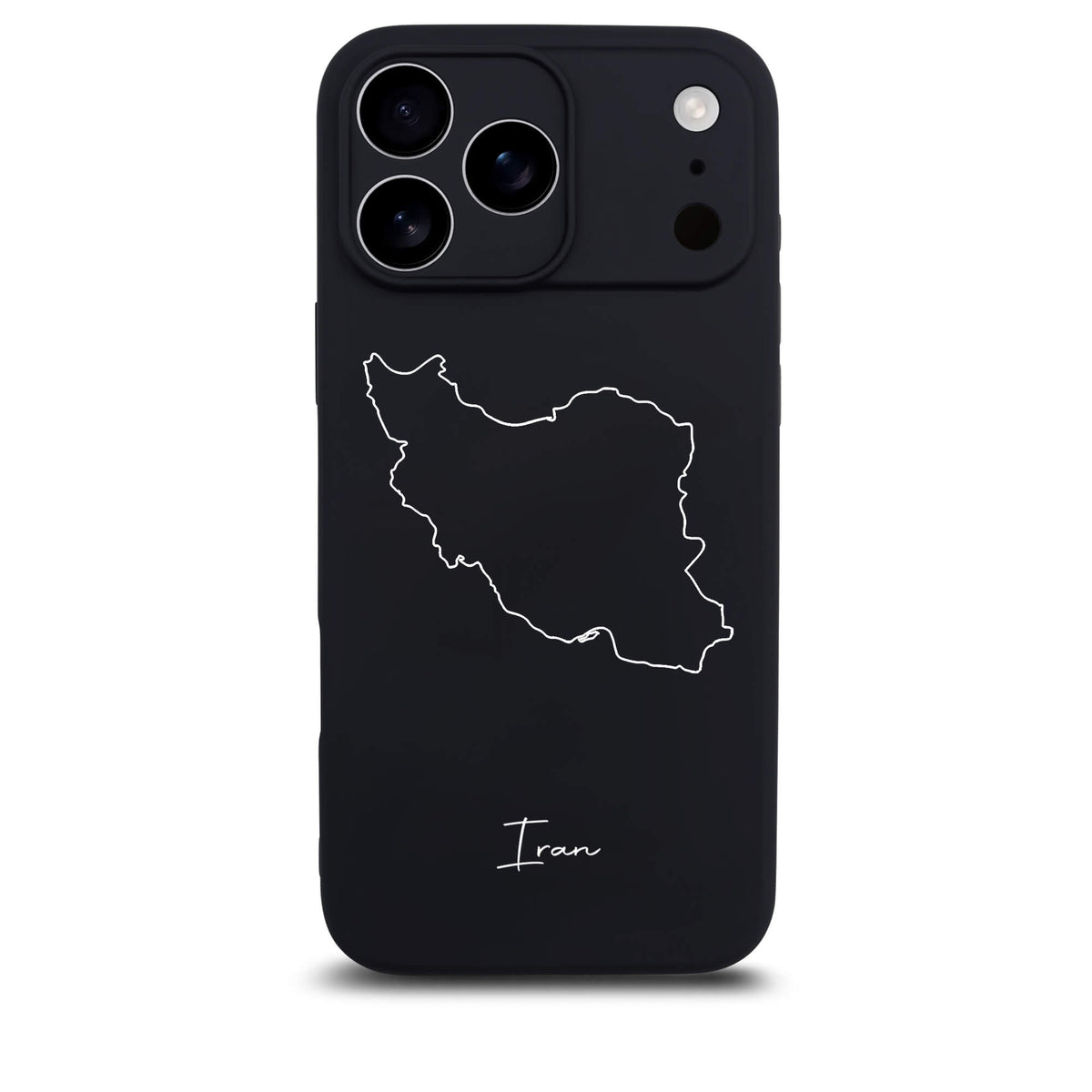
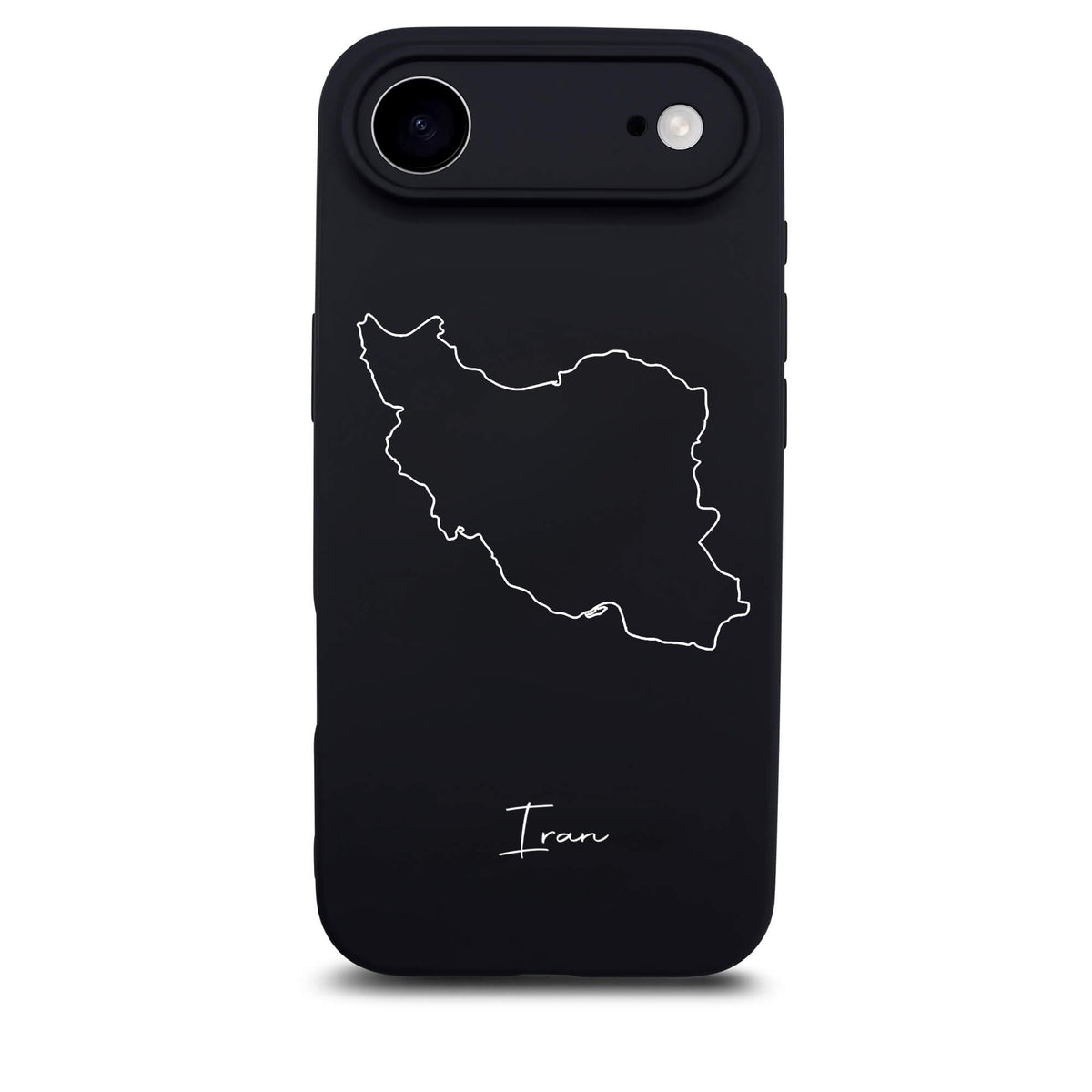
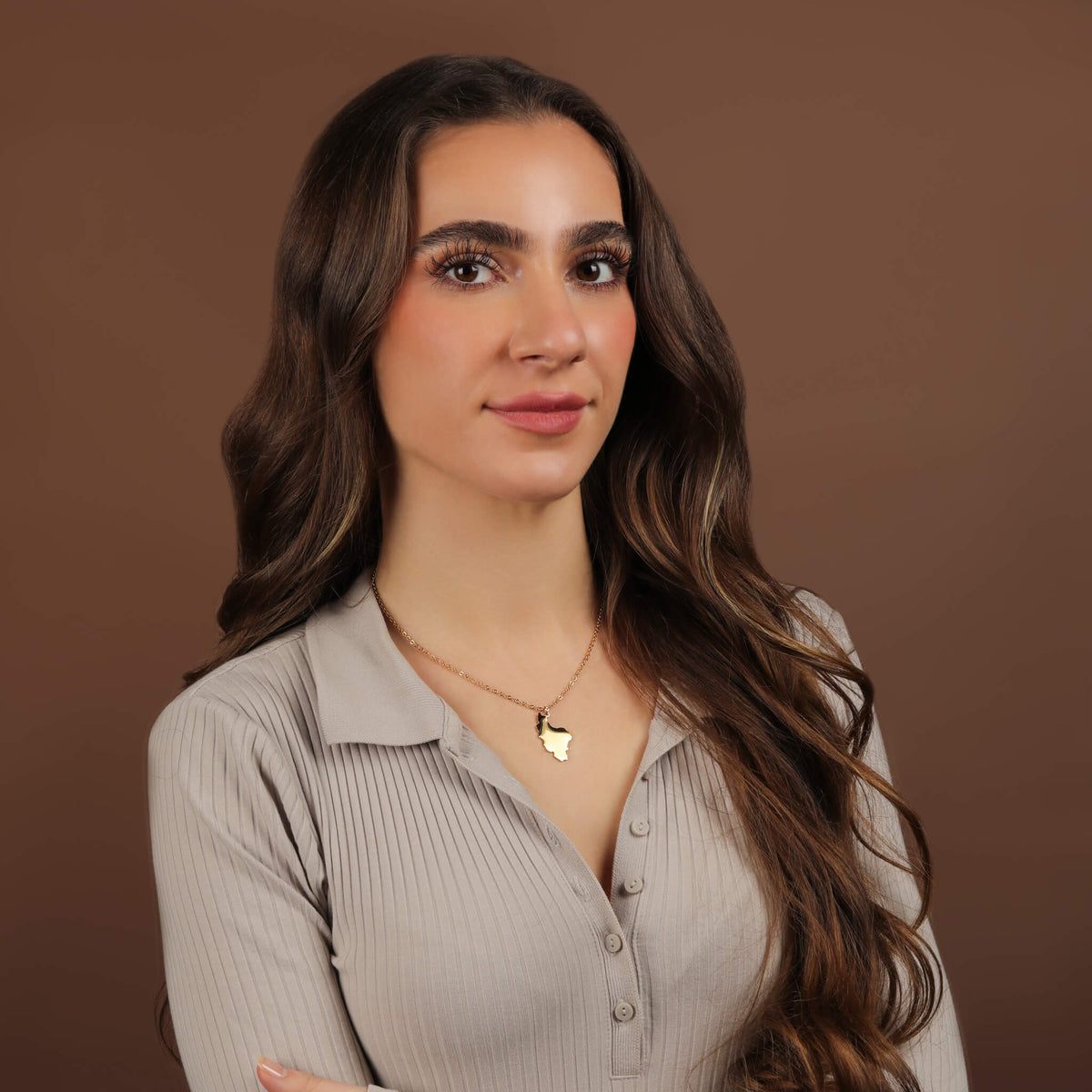
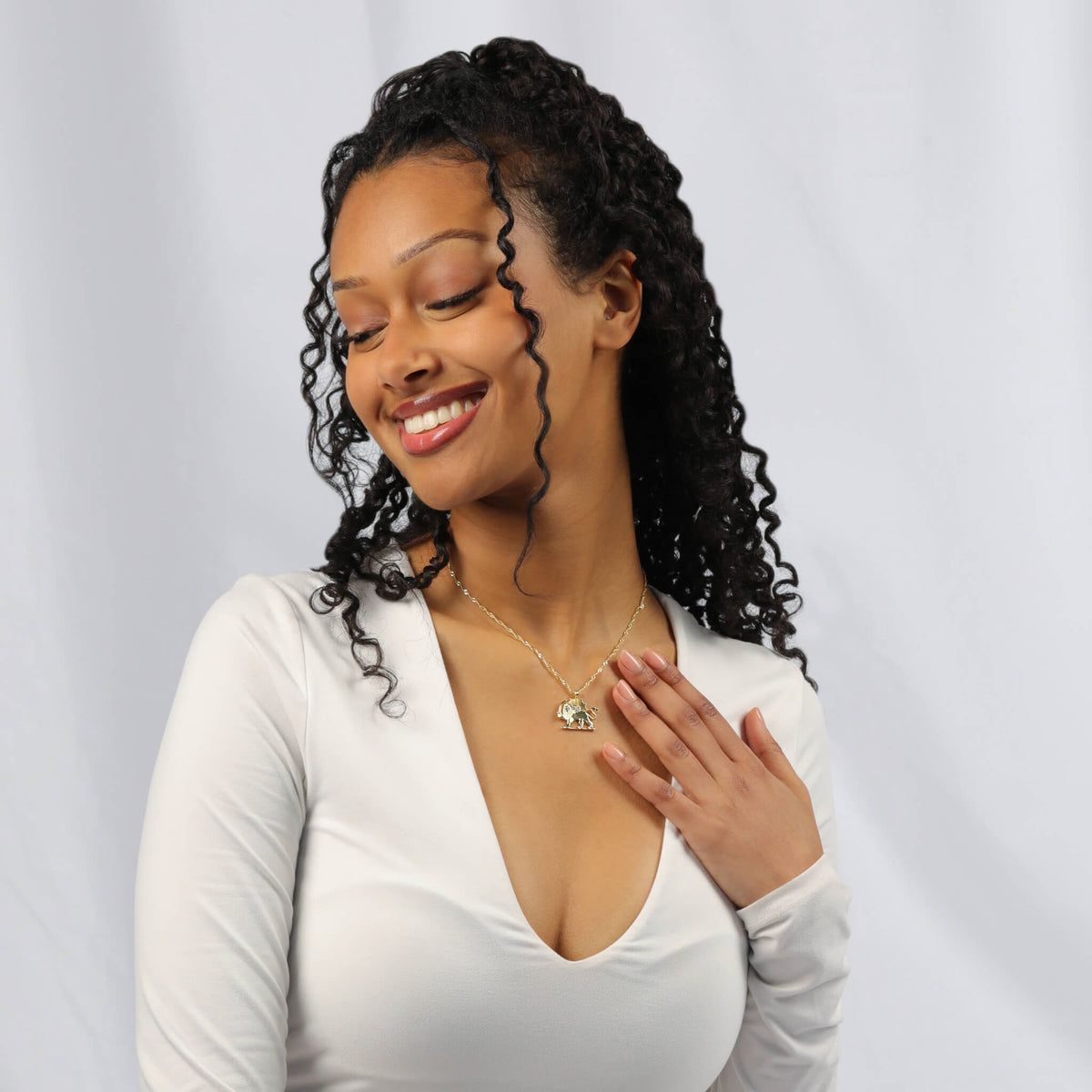
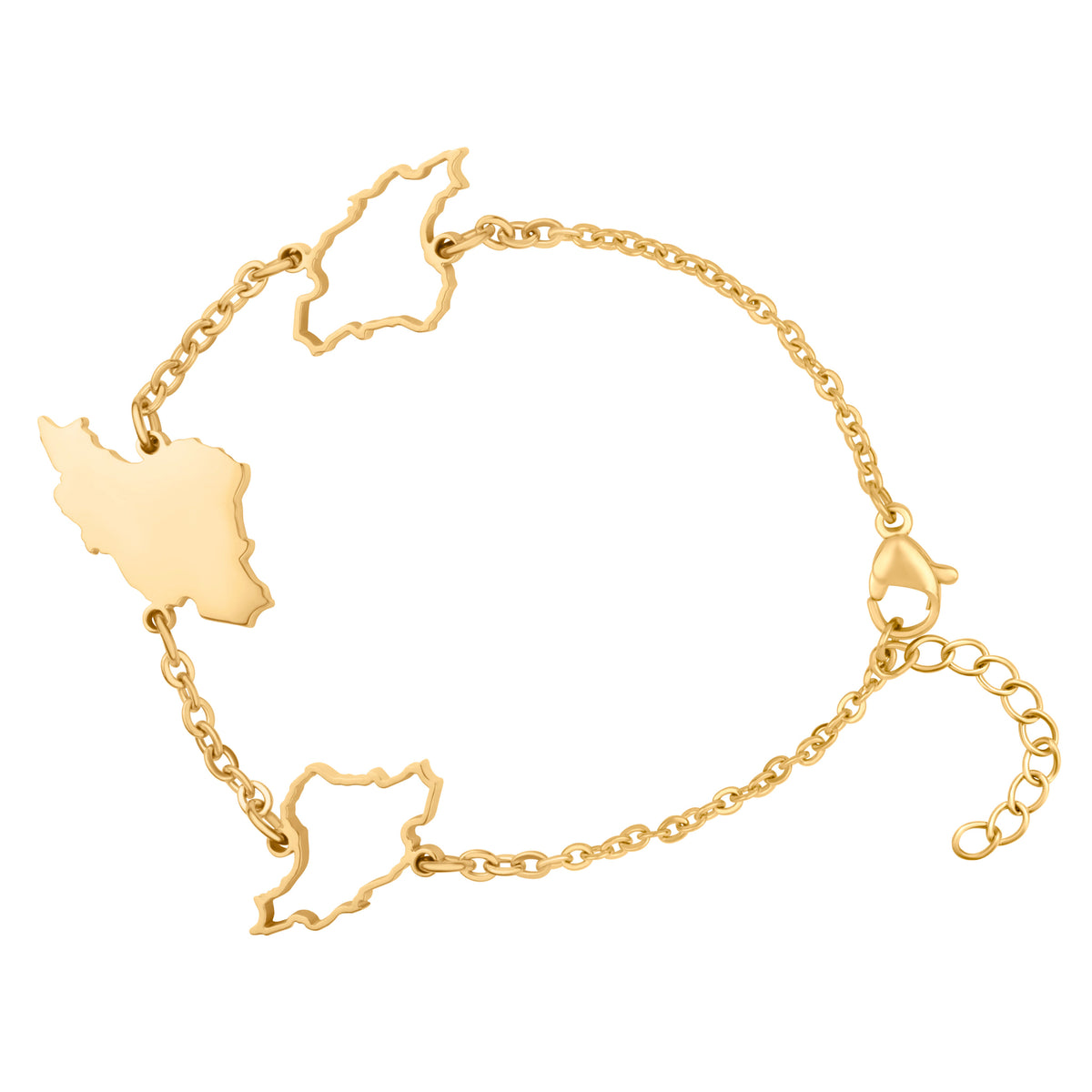
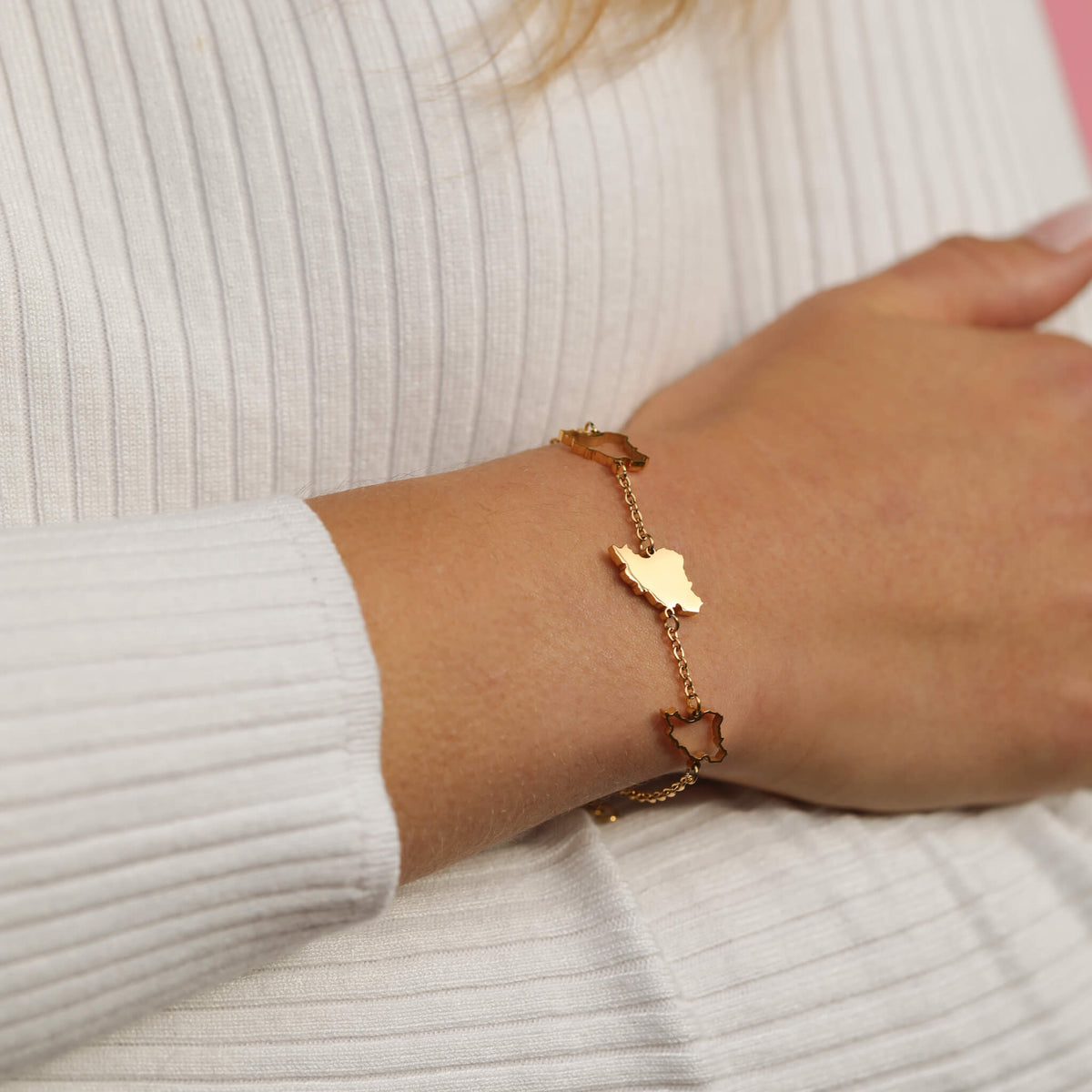
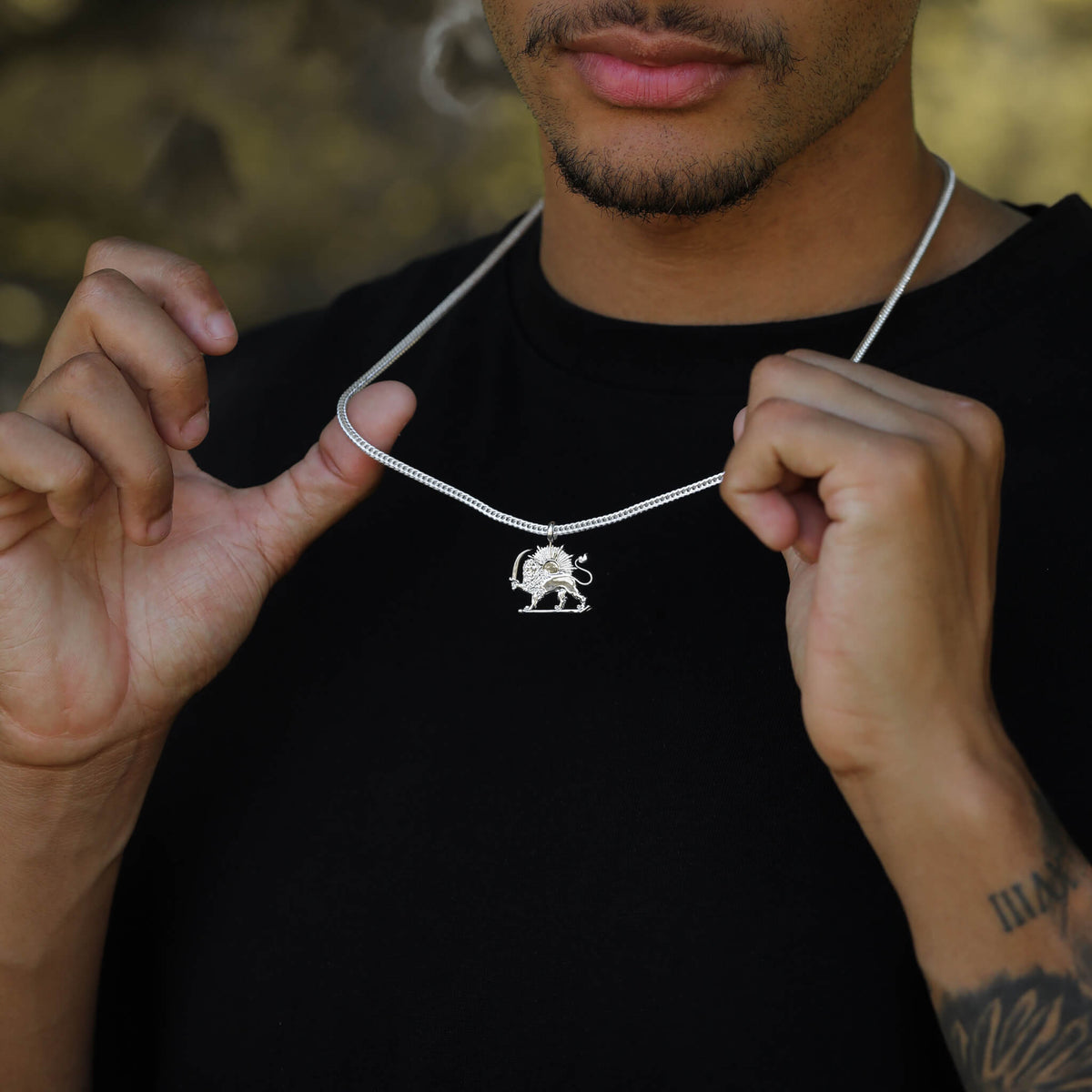
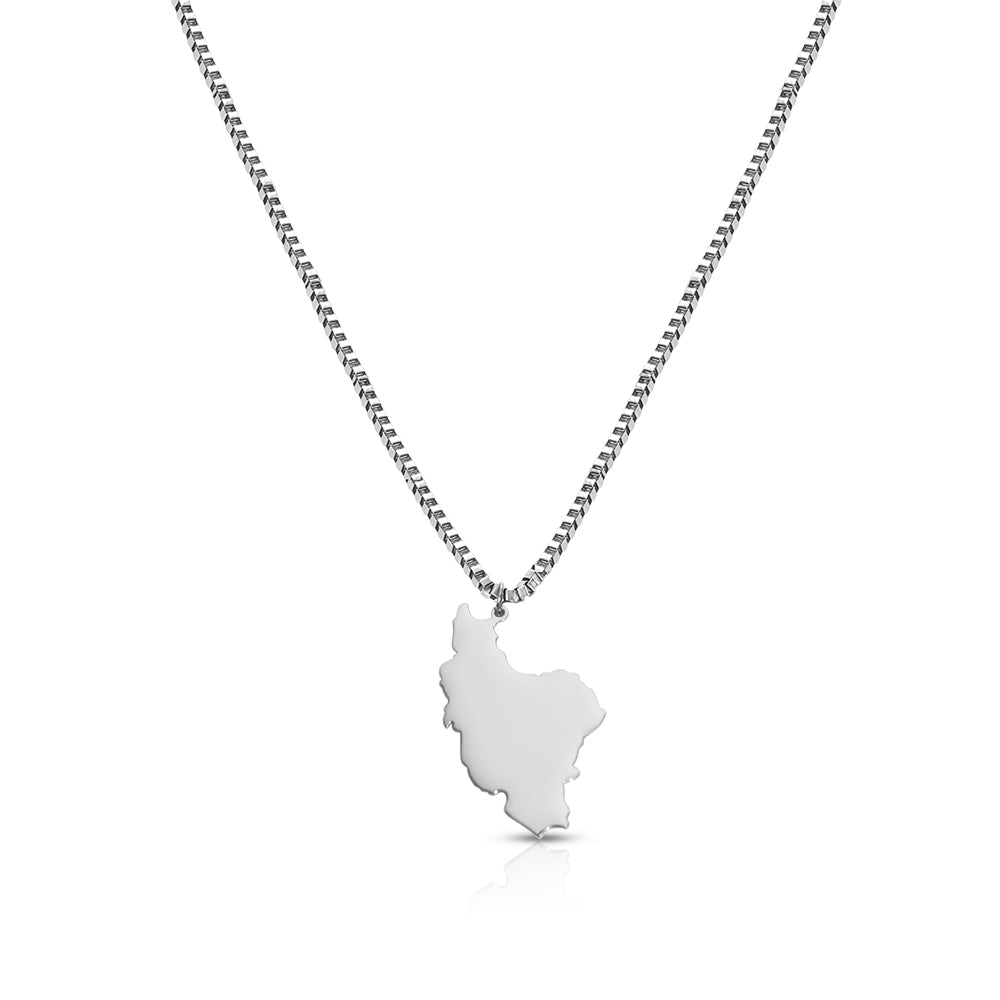
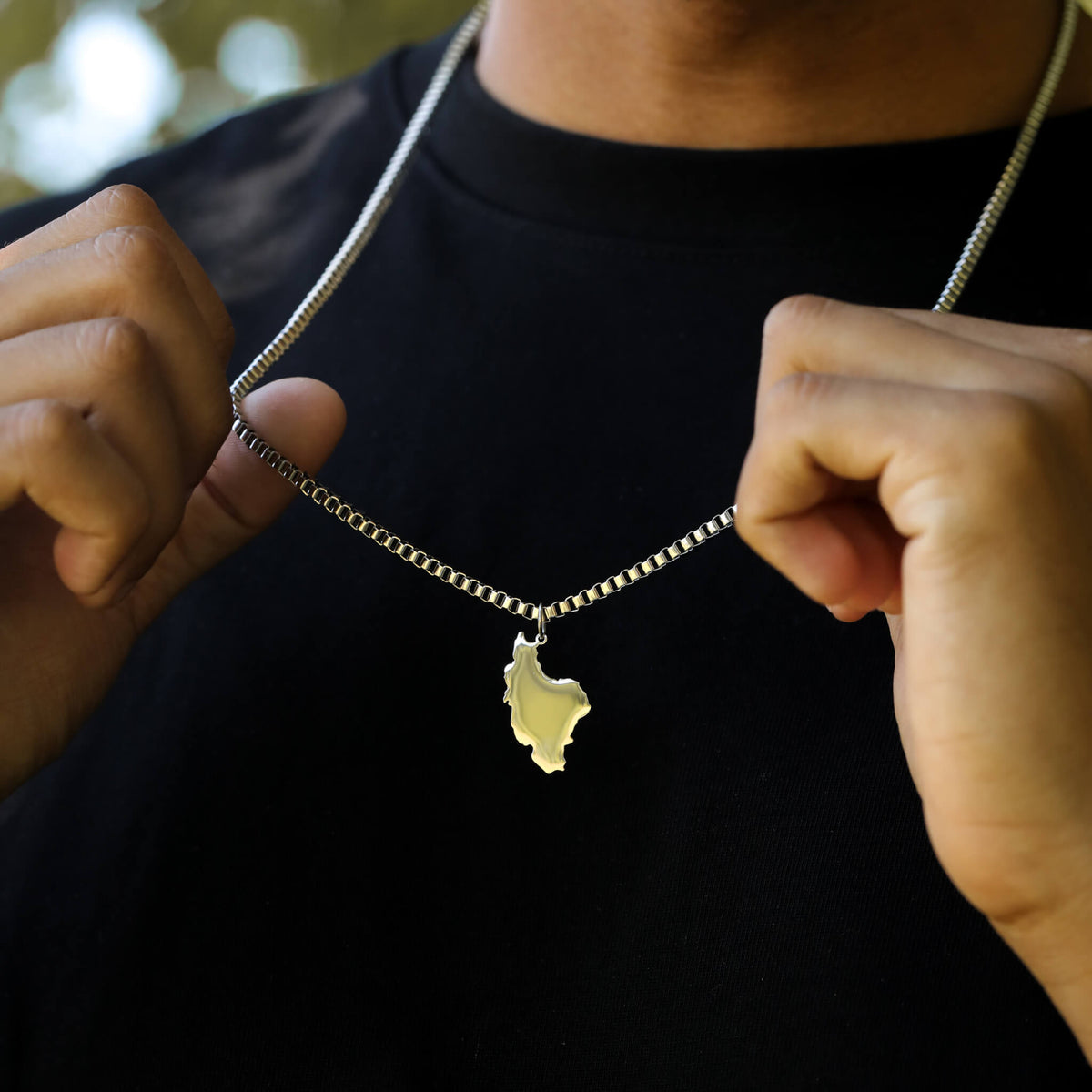
An Iran necklace is more than jewellery – it's a declaration of who you are. The map of Iran, the lion and sun, the colours green, white and red: with a necklace from d'origine, you carry your Iranian roots right where the world can see them. Our Iran Collection includes necklaces, a bracelet and a phone case – crafted from premium materials and backed by a 365-day guarantee. Whether you grew up in Tehran, Isfahan, Los Angeles or Hamburg: this necklace connects you to your heritage. At d'origine, people from more than 40 countries show where they come from. The Iran Collection is one of the most popular in our range.
What Do the Lion and Sun on the Iranian Emblem Mean?
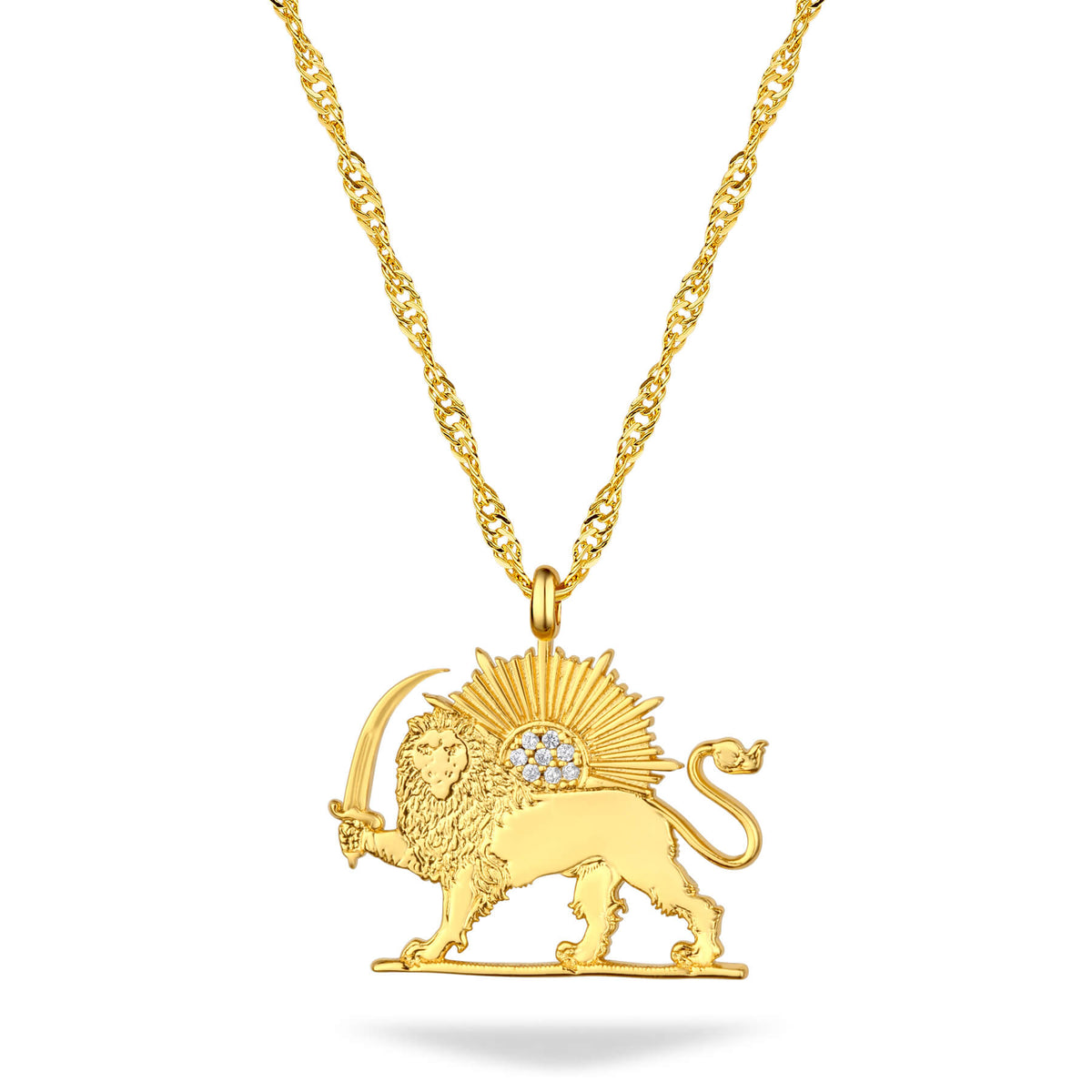
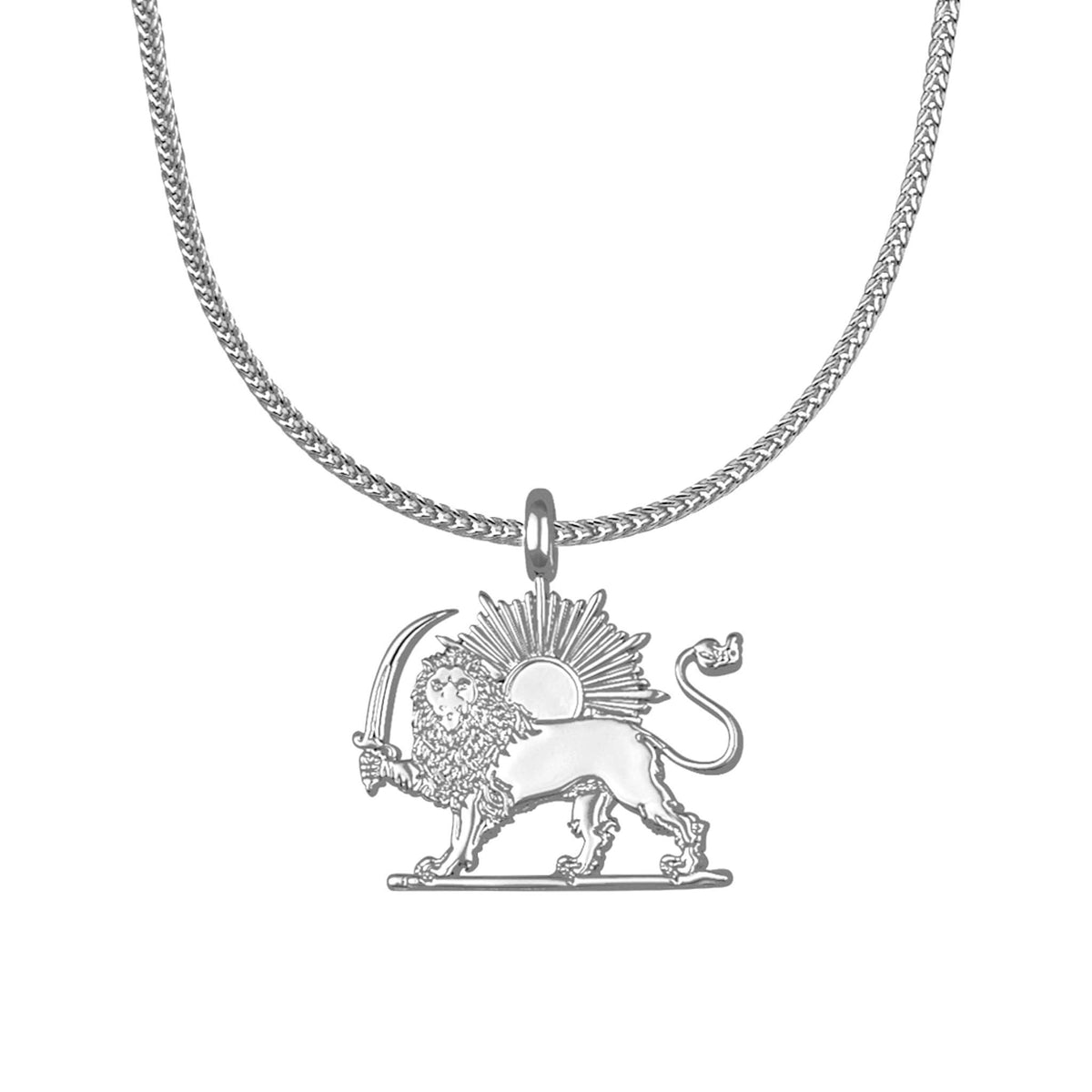
The historic Iranian emblem Shir-o-Khorshid (Lion and Sun) is one of the oldest symbols of Persia. The lion with the sword represents strength and royalty, while the sun stands for light, truth and the Zoroastrian faith. This symbol accompanied Iran for centuries and continues to adorn jewellery, art and the hearts of the Iranian diaspora. The current flag of Iran features three horizontal stripes in green, white and red. Green represents Islam and nature, white stands for peace, and red for courage. Iranian civilisation is one of the oldest in human history: the Achaemenid Empire under Cyrus the Great (559–530 BC) was the first world empire, stretching from Egypt to India. The royal city of Persepolis, founded around 518 BC by Darius I, is a UNESCO World Heritage Site. The Faravahar – the winged symbol of Zoroastrianism – is another widely recognised motif of Iranian identity, worn as a pendant across the diaspora. When you wear an Iran necklace, you carry a symbol that spans millennia of Persian civilisation.
Iranian Jewellery: Isfahan, Gold and Persian Poetry
Iran has one of the richest and oldest jewellery traditions in the world. The gold treasures of the Achaemenids and Sassanids rank among the most significant of antiquity. Isfahan – the city that became the capital of the Safavid Empire under Shah Abbas I (1587–1629) – remains a centre of goldsmithing to this day. The Grand Bazaar of Isfahan (Bazar-e Bozorg) is one of the oldest and most beautiful bazaars in the world and a UNESCO World Heritage Site. Iranian jewellery art is inseparably linked to calligraphy and poetry: pendants engraved with verses by Hafez, Rumi or Ferdowsi are among the most popular motifs. The Shahnameh (Book of Kings) by Ferdowsi, written around 1000 AD, is the Persian national epic and an endless source of jewellery inspiration. Turquoise – called Firouzeh in Persian – is Iran's national stone and has been mined in the Nishapur region for millennia. At Iranian weddings, gold plays a central role: the Sofreh Aghd (wedding spread) traditionally includes gold coins and jewellery as symbols of prosperity. In the diaspora, jewellery with Iranian motifs makes belonging visible – to culture, to history, to home.
Material and Quality of Our Iran Necklaces
Our Iran Collection offers two material lines. The Iran necklace for men (56 cm in gold, 65 cm in silver, pendant 2.8 cm) and the Iran necklace for women (40 cm + 15 cm) are made from 316L stainless steel – rust-proof, waterproof and scratch-resistant. The Iran crest necklace for men (60 cm, pendant 2.5 cm) and the Iran crest necklace for women (40 cm + 5 cm) are crafted from 18K gold-plated brass. All variants are waterproof and allergy-friendly. All products come with a 365-day guarantee. Each necklace is delivered in a premium jewellery box – a perfect gift for Nowruz, weddings or any special occasion.
Iran Necklace in Silver or Gold – Which One Suits You?
Gold has carried meaning in Iranian culture for millennia – from the Achaemenid gold treasures to the wedding jewellery on the Sofreh Aghd. The gold versions of our Iran necklaces honour that tradition: the stainless steel necklaces feature 18K gold plating for a warm glow, while the brass crest necklaces offer an especially rich gold tone. The silver versions provide a cooler, more modern look. Alongside the necklaces, we also offer the Iran map bracelet in stainless steel (16 cm + 3 cm, unisex) and the Iran phone case.
When Is Nowruz and What Is Celebrated?
Nowruz is celebrated every year on 20 or 21 March – it is the Iranian New Year and marks the beginning of spring. The word Nowruz means "new day" and has its roots in Zoroastrian tradition. Nowruz has been celebrated for over 3,000 years, making it one of the oldest festivals in human history. The celebration centres on the Haft-Sin – a table set with seven symbolic items, all beginning with the letter Sin (س), including Sabzeh (wheat sprouts) for renewal and Senjed (oleaster berries) for love. The festivities span 13 days and culminate in Sizdah Bedar, a day spent outdoors. In 2009, UNESCO recognised Nowruz as part of the Intangible Cultural Heritage of Humanity. Across the diaspora, Iranian communities celebrate Nowruz worldwide – from Los Angeles to Hamburg. The festival connects Iran with Afghanistan, Kurdistan, Azerbaijan and other peoples of the region.
Buying an Iran Necklace – What to Look For
If you're looking to buy an Iran necklace, pay attention to three things: material, craftsmanship and chain length. You can choose between 316L stainless steel (more durable, scratch-resistant) and brass with 18K gold plating (warmer gold tone). For craftsmanship, check the pendant: whether map or crest – the details should be cleanly worked and the relief clearly defined. For chain length: men's 56 to 65 cm, women's 40 cm plus extension. At d'origine, you order directly from our shop – no middlemen. We ship worldwide: free shipping within Germany, free across Europe on orders over €25, and affordable international shipping to the US, Canada, UK, Australia and beyond.
How Many Iranians Live Abroad?
The Iranian diaspora is estimated at 4 to 6 million people worldwide – compared to a home population of roughly 88 million. The United States hosts the largest Iranian community outside Iran at an estimated 1 to 1.5 million – Los Angeles carries the nickname "Tehrangeles" and is the undisputed centre of Iranian-American life. The San Francisco Bay Area, Washington D.C. and New York also host large Iranian communities. In Canada, Toronto and Vancouver have become major hubs. In Germany, approximately 200,000 to 300,000 Iranians and their descendants have settled, particularly in Hamburg, Cologne, Frankfurt and Berlin. The United Kingdom (London), Sweden and Australia also host significant Iranian populations. In Turkey, around 500,000 Iranian migrants reside. An Iran necklace is, for many, a daily sign of that connection – quiet, but unmistakable. At d'origine, we understand this feeling, because that's exactly why we founded the brand: jewellery that makes heritage visible.